Prepare Your Garden Soil
This Time: Prepare soil for native plants; Protect wildflowers that bloom early
How about some good gardening news? How about guidance that tells you to do a lot less than you expect to do? Well, I have some, but it's going to force you to break with some traditional gardening techniques, so you may feel a little uncomfortable at first.
If you've followed the process to this point you have purchased seeds or live plants and started the germinating and growing process in small pots or trays. Now, you're ready to get out there and prepare the soil for planting! For traditional gardening, that means cutting into the garden bed soil to loosen it, adding special amendments, and smoothing out the surface.
But I have good news for you: You don't have to do that for native plants! And if you do, you might be making the situation worse.
Let Go of Traditional Gardening Habits, Embrace Soil Communities
Native plants evolved to live in conjunction with certain neighbors. The plants, fungi, bacteria, insects, earthworms and more all existed in an interdependent community. The community was sustainable, resilient.
What’s more, soil has layers where different organisms live out their lives. Soil organisms take natural materials such as dried leaves and minerals and recycle them into nutrients used by the plants.
When you disrupt these communities, by digging through them or dousing them with pesticides, you interfere with processes that support thriving native plants and that could make your life easier.
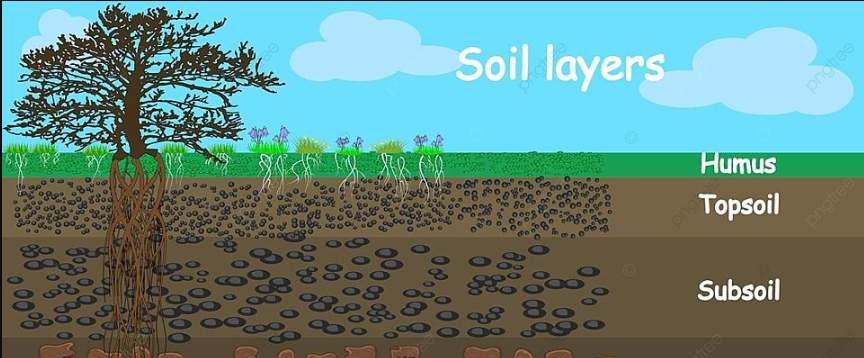
Alt text: Section of typical soil layers near the surface, humus at the top, with topsoil underneath, and subsoil below that. Native plant roots are adapted to grow in natural layers in soil. Mimicking nature provides them with better moisture and nutrition. Prairie-type garden soils are different from woodland-type garden soils, but they both have layers that should be preserved. Source: Humus Definition Social Studies at John Macdonald blog.
When your Habitat Garden supports soil communities, the soil communities take care of your native plants. Less digging means less fertilizing and less watering. How does that sound?
So, there are a few specific things you don’t need to do anymore to prepare soil for native plants:
- Don't “fix” your soil with amendments before planting.
- Don't use herbicides, fungicides, or pesticides.
- Don’t seal soil under layers of fabric and mulch.
Here's how you do prepare soil for native plants.
Clear Gently, Not Chemically
If weeds have overgrown the area set aside for your native plants, use physical methods like hand‑pulling, cutting plants at the base, or smothering areas with cardboard. This approach preserves soil life and lets healthy communities develop and mature.
Apply Organic Matter on Top
Compost and natural local plant debris are still useful! Sprinkle them on the surface to simulate the natural process of dead and decaying matter falling onto the soil. The soil community will take it from there. Native plants are adapted to soils that are leaner than traditional amendment-rich garden beds.
Leave Organic Cover—But Not Everywhere
Leaf litter, fallen stems, and plant debris provide shelter for overwintering insects and help protect soil structure. But don't forget the ground‑nesting bees. They need access to bare earth. Leave cover in place but avoid blanketing entire beds. Mulch lightly around new plants and let some topsoil stay open.
That's not too much, is it? You'll have more time to focus on the bird calls and butterfly swoops.
Seasonal Continuous Improvement: Early Spring
Protect early bloomers!
Early spring flowers – both planted and naturally occurring – are a lifeline. Native bees often emerge before most garden plants bloom, and these first flowers can mean the difference between surviving and struggling.
What to do (and not do)
- Let early wildflowers bloom undisturbed. Resist the urge to pull all “weeds”.
- Leave as many as possible to provide nectar, but not to annoy neighbors. If an area is visible to neighbors who may consider it unsightly, consider maintaining that area per traditional expectations while leaving a “hidden” area undisturbed for pollinators.
- Skip garden “tidying” that removes flowers before pollinators arrive.
While you are out enjoying Nature, pay attention to which plants attract the very first bees and insects. Plan to protect these early bloomers that play an important role in your Habitat Garden.
In spring, timing matters. What blooms first is often critical to the success of beneficial insects before the majority of other native plants start to bloom. Let them do their job.
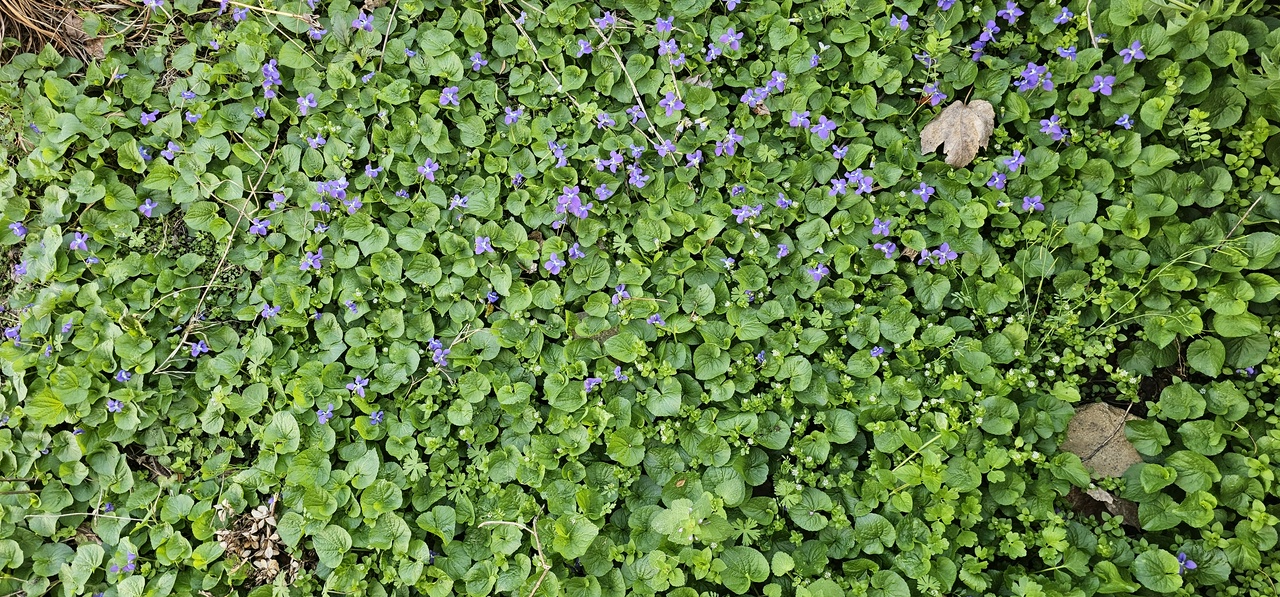
In my garden, this area of wild violets has created a thick carpet of green leaves. It did not take long for a couple of plants to spread. Not only is this native wildflower food for early pollinators, it also creates a groundcover that is hard for weeds to penetrate. I do not disturb the soil as much, leaving the soil community can thrive. It’s cool under the leaves. I often find frogs hiding out there in the hot afternoons.
Resources
This guide from the Xerces Society builds your knowledge about soil invertebrates. You can actually see soil invertebrates, unlike bacteria, so they can help you gauge the health of your habitat soil communities.
This guide from the USDA's Natural Resource Conservation Service has even more tips to create healthier soil.
🐦 For a Wildlife-Friendly Garden, Test Soil First
If you are starting your habitat garden from scratch, you have an opportunity to get information about your soil that will simplify your planning and reduce future problems.
🦋 For Pollinators' Sakes, Don’t Spring into Garden Cleanup Too Soon!
More detail on do's and don'ts for spring garden activities in a habitat garden. It’s especially good with helping you determine when it’s OK to
🐛 Habitat Planning for Beneficial Insects
Download this PDF for a more comprehensive guide to developing a better habitat.
#HabitatGardening #BiodiversityGardening #Gardening #NativePlants #Nature #Environment #Conservation #Biodiversity #Invertebrates #SolarPunk #SolarPunkSunday #Thrutopia
I’m Joe Wynne, a gardener since 1965 when I started as a helper for my grandmother. We maintained irises then and I still have those plants today. I’m a former Tennessee State Park Naturalist, who now focuses on making my garden a habitat for native plants and native bees, birds and butterflies. It’s working! I share what I learn.
Follow me on Mastodon. See articles from others in my magazine on Flipboard: Habitat Gardening
© Joe Wynne 2025-2026