Habitat Gardening

gardening

This time: Gardening to build butterfly populations; Preparing for habitat over winter.


Important news for you, Garden Heroes.

A recent study found that species are being lost in the hottest parts of temperate regions even faster than in the tropics. That might sound discouraging, but it also means your help is even more impactful. Your garden or meadow of native plants is a part of a network that pollinators can use to survive and thrive. Your garden can play a meaningful role in reversing population decline.

If you’ve already added some native species to your space, that’s a great start. Your next step is to actively support species that already exist in and around your garden. Your goal is to increase the number of individuals of a species that live in your garden.

So how do you build larger populations? Using butterflies as an example, the process comes down to these steps:

1. Observe

Spend time watching your garden at different times of day. Make a note of butterflies that visit. When you see a butterfly that you do not know, take photos from multiple angles. Many species look similar, and small details matter for identification.

2. Identify Unknown Butterflies

Use a beginner-friendly guide or app to identify what you’re seeing. Some popular options are listed in the Resources section.

3. Find the Missing Need

When you look up life cycle information for butterflies, you will find that adults prefer certain kinds of flowers for nectar.

You will also find information about “host plants.” The adult butterfly lays eggs on its host plant and the caterpillars hatch out and start eating like mad. Caterpillars are very particular about their diet. They often eat only one or two types of plants.

You can make a simple note page to keep track of visiting butterflies and how to support them.

It might be organized like this.

Butterfly Species

  • Host Plant(s)
  • Support Steps

Here are a couple of examples from my habitat garden. I saw two types of butterflies – Buckeyes and Tiger Swallowtails – on my native perennials and looked up host plant information so that I could support a larger population for each of these species.

Buckeye

Host plant: Plantain

Support steps:

  • Allow plantains to grow in native plant beds.
  • Attempt to relocate plantains growing in the lawn, or collect their seeds and move them to native plant beds.
  • Monitor the plants for signs that caterpillars are eating them.

Eastern Tiger Swallowtail

Host plants:

  • Cottonwood; Willow; Tulip tree

These trees are available in nearby woods.

Support steps:

  • Maintain tall-flowering native plants to provide nectar for a larger population.
  • Ensure flowers are available from spring through fall.

4. Support

These observations and notes suggested that I could support Buckeye populations by providing more plantains, a common “weed” that is being removed from surrounding suburban lawns. I could support Tiger Swallowtail populations by providing more tall native nectar plants.

Once you find the need for your butterfly populations, you are ready to increase their numbers. You might incorporate more host plants into your garden or increase certain types of nectar plants.
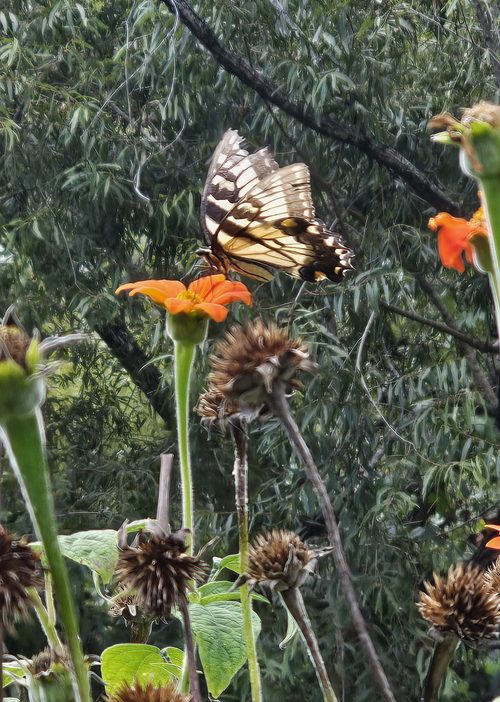
A Tiger Swallowtail, yellow with black stripes, feeds on a tall orange flower with seed heads. The seed heads are being left for birds to feed on and to grow the following year. The tall, thick stems will be left in this garden bed for beneficial insects to overwinter inside.

With this kind of support, you can increase the type and number of butterflies you see daily in the summer. Let me tell you that sitting among fluttering butterflies is one of the more calming things you can experience.

Butterflies are just an example here. You can do the same for moths. Native bees are somewhat easier because they do not generally have host plants, but they do need places for their nests and larva. The big picture is: Look at the creature that visits, identify it, find the need, and then support it in your habitat garden.


Seasonal Continuous Improvement: Autumn

When you're managing a Habitat Garden, what you do and do not do in Autumn is different than traditional gardening. One of the things you need to do is evaluate your late season flowering. One of the tasks you can ignore is “clean-up” of most dead or dying plants. Shocking, I know.

🌸Find Your Fall Flowering Gap

You might be surprised at what you see in your habitat garden in mid-fall: few flowers. Most of the native species you plant in the spring and summer complete their flowering cycle by this time. Sure, you can deadhead many to keep them going much longer, but eventually they fade out.

You might see butterflies, native bees and other pollinators looking for something to eat at this time before the first frost hits (if frost happens where you live).

It is very important for your habitat garden to supply a variety of flowers throughout your growing season. If you do have few or no flowering plants in the fall, then plan to identify late-season flowering native plants for your region that you can have ready to go for the following Autumn.

This is not difficult. When I did this, I found that in my region there were many types of goldenrod and asters that met this need and they were easily available as seed. To do the same, you need a native plant reference specific for your “ecoregion’ and you can find those in the Resources section.
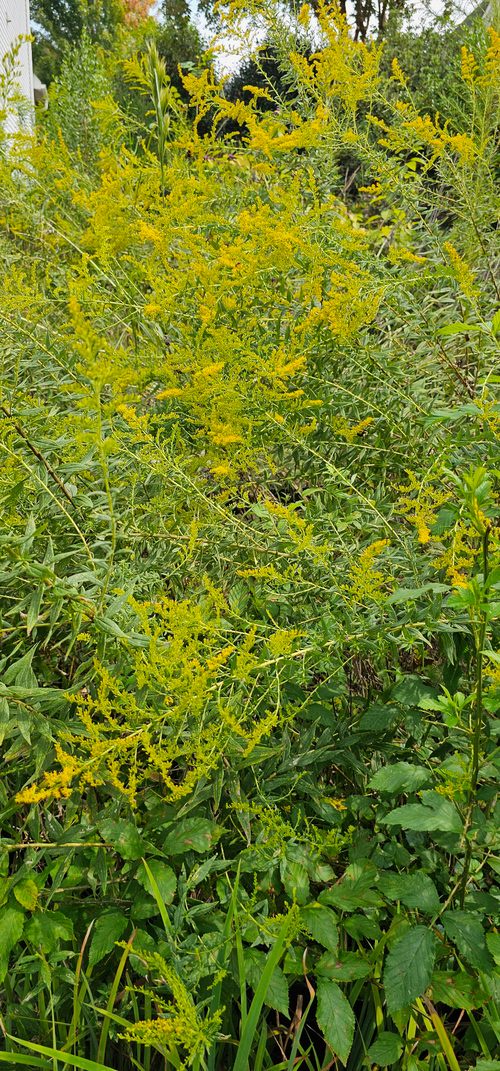
Sprays of tall Goldenrod – up to seven feet tall – fill a space in a native plant garden in early fall.

🌾Save the Stems

Other than checking for number of flowers, appropriate actions to take in the fall are different depending on your region. In the Resources section below, you will find more specific advice for plants and tasks in your region for Autumn.

While you are noticing your fall habitat garden, you might see some dead stems of plants that have gone by. Your initial tendency may be to remove these – as is expected in traditional gardening. You might even plan to transfer the stems over to the compost pile.

But it far is better to retain healthy standing stalks and seedheads. In Nature, flower stems remain long after the flower dies. Stalks are potential nesting/overwintering habitat. They will definitely be needed by beneficial invertebrates in the spring, so you will want to keep them available.

🍂Leave The Leaves

You've heard it before. Leave fallen leaves below the trees. This allows certain insects to follow their instincts and drop right down into the leaf layer for overwintering.

But have you heard to leave them whole? The Xerces Society says shredded leaves do not provide the same cover as whole leaves, and that shredding may destroy insect eggs, caterpillars, and cocoons. It recommends using a rake or blower rather than a mower when moving leaves so they remain intact.

It's not always possible to leave leaves under trees. If you need other options, I listed some of my tricks in a previous Seasonal Improvement section here.
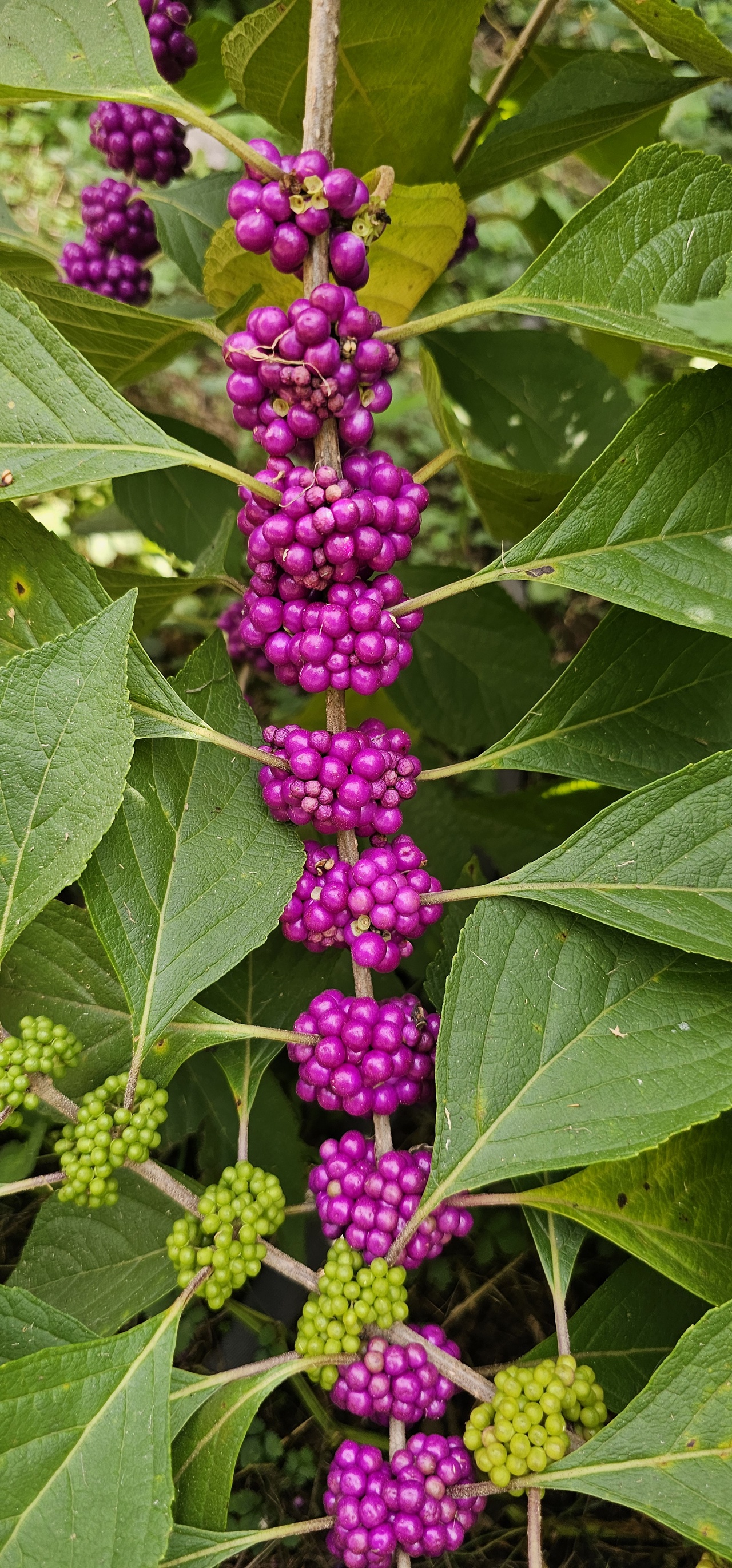
Abundant bright purple berries of the beautyberry shrub. These last for many weeks in Autumn in my garden, feeding a variety of birds and mammals, maybe even box turtles.


🦋 Tools for Identifying Insects

This is a great tool if you are just starting out. It uses image recognition to identify plants, animals, fungi, and other organisms through your phone camera. There's no registration so you can see how you like identification.

This is the standard tool for enthusiasts and citizen scientists (If you are  habitat gardener, consider yourself a citizen scientist.) You can document observations, and other members of the community can contribute identifications. iNaturalist specifically encourages insect observations as a way to learn about local ecosystems and contribute to biodiversity and conservation research. Check out this guide to get a feel for this app: iNaturalist's beginner guide to insect watching

This app is made for people who want more information about an insect after photographing it, like a habitat gardener. The good news is that it provides detailed identification reports, including information about life cycles and host plants. The bad news is that some features require a subscription.

🦋 Tools for Identifying Late Season Flowering Perennials for Your Region

The Xerces Society has collaborated with the Lady Bird Johnson Wildflower Center to create plant lists that are attractive to native bees, bumble bees, honey bees, and other beneficial insects, as well as plant lists with value as nesting materials for native bees. These lists can be narrowed down with additional criteria such as state, soil moisture, bloom time, and sunlight requirements.

Includes lists for every state and province plus much more.

🦋 Guides for Fall Tasks in Your Region


#HabitatGardening #WildflowerWednesday #BiodiversityGardening #Gardening #NativePlants #Nature #Environment #Conservation #Biodiversity #Invertebrates #Pollinators #BirdConservation #Wildlife #Birds

I’m Joe Wynne, a gardener since 1965 when I started as a helper for my grandmother. We maintained irises then and I still have those plants today. I’m a former Tennessee State Park Naturalist, who now focuses on making my garden a habitat for native plants and native bees, birds and butterflies. It’s working! I share what I learn.

Follow me on Mastodon. See articles from others in my magazine on Flipboard: Habitat Gardening

© Joe Wynne 2025-2026
This time: Add an important vertical component to build your habitat; Enjoy and observe your garden


Have you noticed articles about native plants mainly cover flowering plants whose height may be no more than 3 feet (1 meter) high? That’s not enough. Your habitat garden should incorporate height – a vertical component – in its design.

A natural habitat, except for some desert areas, includes flowers, vines, shrubs, small trees and tall trees. Birds, butterflies and native bees are adapted to live in this vertical environment.

Now you don't have to have all the levels in your yard to create a decent habitat. Not everyone has room to add a giant oak tree. But the more levels you have, the better nature-positive design you create. If there are trees nearby, you can fill in with lower levels. Shrubs and vines should be on your design list.

🦋 Why native shrubs matter. Multiple organizations around the globe recommend that shrubs be incorporated into your habitat garden.

  • Birds can nest in shrubs. They eat the berries. They use them as intermediate points to check for predators before they head over to a water source.
  • Butterflies and hummingbirds feed on the nectar from the shrub’s flowers. They rest inside the branches from winds.
  • Some butterfly caterpillars eat the leaves. Many caterpillars climb into shrubs to pupate.

How to find native shrubs. So how do you choose the best shrubs? Just like native flowering perennial plants, the shrubs sold at plant stores you go to may not be native. Many shrubs sold are beautiful but from other global environments that have not evolved in a relationship with the beneficial insects and birds in your area. So, you need to seek out a source that tells you specifically the native shrubs that are appropriate for your area.

As seen in previous posts, the resources provided by the NWF can help in North America. They provide, for every ecoregion, a list of all plants, including shrubs, ranked by how many native bees and butterflies they support.

To show you an example of the process to select the best shrubs to build your habitat, here's how I used the NWF Native Plant Finder site, with updated navigation. On the plant finder site, I entered my zip code for the U.S. (There is an alternate navigation to cover all North America.)

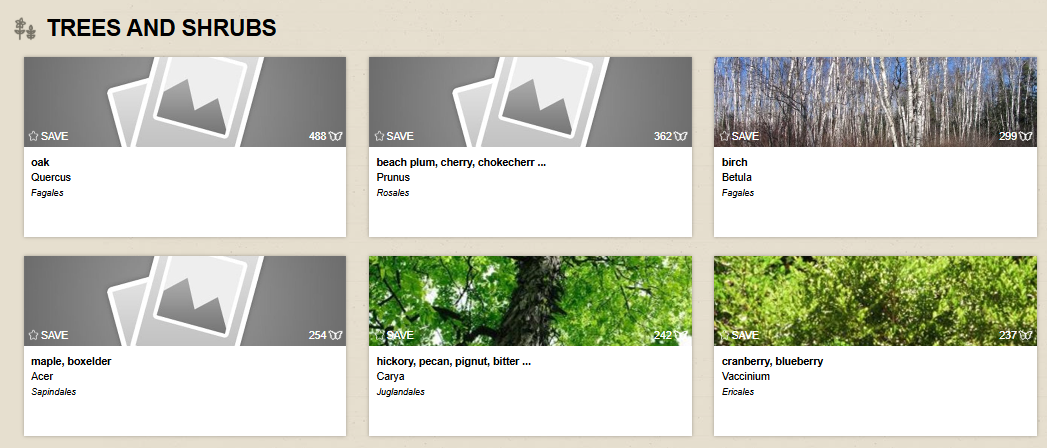
  1. I got a page with two sections: “Flowers and Grasses” and “Trees and Shrubs”. This initial page already showed eight of the highest ranked trees and shrubs, but I chose “See All” under the Trees and Shrubs list to see the full list. It’s long, giving us many options.

  2. I simply scrolled down to browse to see what natives fit into my landscape. The shrubs and vines are all mixed up together with the trees, so using this resource in this case takes some effort.  Screenshot from the National Wildlife Foundation’s Native Plant Finder site. This section is from the Trees and Shrubs category and shows, for example, oak trees, smaller plum and cherry trees, and cranberry and blueberry bushes, each supporting over 200 species of beneficial insects.
It was gratifying to see blueberries (bottom right in screenshot) as a highly ranked shrub and now I have two bushes. Add me to the number of supported species.

Blackberries appeared a little farther down in the list and already grew wild in my yard. Good excuse for avoiding large scale removal which would have led to my arms being shredded by the thorns. I allowed two areas to get taken over by blackberries. I wanted to eat some while leaving others for the birds.

There are native plant databases other than the NWF Plant Finder, refer to the Resources section for more, but this one ranks the shrubs by how many species they help. I am always surprised at the number of species that I can help in my habitat garden by choosing the best plants. It is easy to support hundreds of different types of beneficial insects with a few well-chosen plants. More bang for my buck.

You can follow the same steps to find the best shrubs for your garden.

🦋 Why native vines matter. Vines definitely don’t get enough attention. They add to the important vertical structure of your habitat and have ecological benefits the same as shrubs. They fill a different space need, though. Still, you don't see them covered enough in native plant articles and books.

They are perfect for covering metal or other fences. You can put a trellis or structure (pergola, for example) in your garden and let a vine climb all over it. You can let a vine climb along a porch or deck. When the vine lets its flowers loose, hummingbirds, native bees and butterflies all arrive. If you happen to be sitting in or around that structure, you have a unique enjoyment perspective.

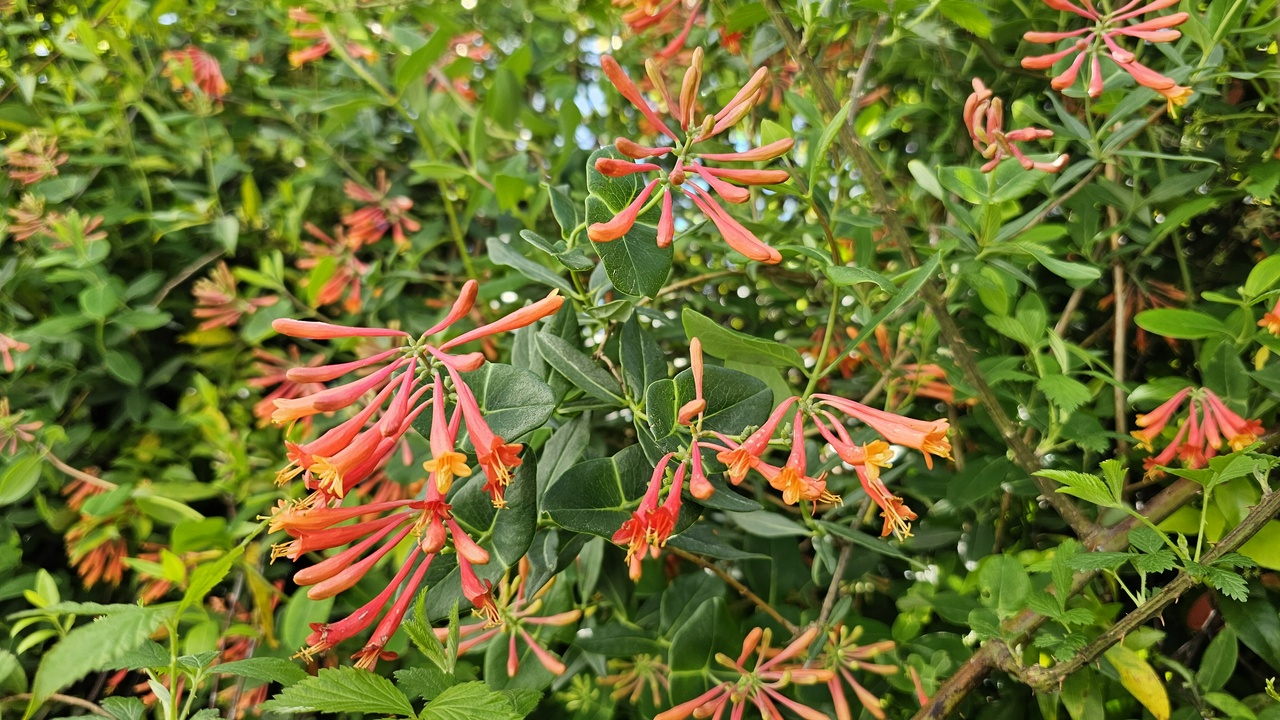
I had a long, slim space between properties that was perfect to place vines. I procured some tall metal trellises for this purchase. I chose Coral Honeysuckle (Lonicera sempervirens) and Carolina Jessamine (Gelsemium sempervirens), also known by other names. These support our hummingbirds and pollinators with their nectar for months in the spring. Birds nest in them during the summer.

Native vines like Coral Honeysuckle (shown, with clusters of coral trumpets with yellow stamens peeking out) have cascades of flowers that beautify your garden while helping build a vertical component to your habitat garden.

An example of a native vine that grows in a wide area in the western U.S. is the Winding Mariposa Lily.

How to find native vines. You can find more about native vines for your area the same way you find shrubs. There is one caveat, however: It is difficult to search specifically for “vines” in the NWF or other native plant finders. You would have to go to the Shrubs and Trees section and check growth habits of those entries that you don’t know.

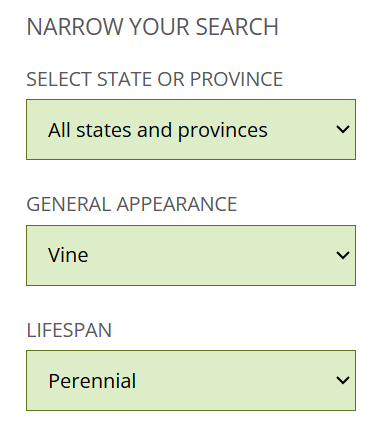
But the Lady Bird Johnson Wildflower Center has come to our rescue! They have a plant finder that allows users to select a vine category to search! See the Resources section below for link.

This is a section from the Lady Bird Johnson Wildflower Center native plant finder showing three drop-down menus: State or Province, General Appearance, where “Vine” has been selected, and Lifespan, where Perennial has been selected.

Now you can more easily plan to fit in a native vine when you find the perfect spot in your design. Give vines the respect they deserve!


Seasonal Continuous Improvement: Early Summer

Early summer is when you shift from planting to maintaining and observing. Why observing? It's important to enjoy your work, but also to make sure all the important supports are available and working.

🌾 Observe and Enjoy Your Habitat

Get into a habit of watching what goes on in your habitat. Note which plants attract the most activity. Look for new native bees and butterflies you have never seen. Check insect houses you set out to see if they are in use.  Find invasive plants that you will remove later. Bringing along a little notebook may help keep track.

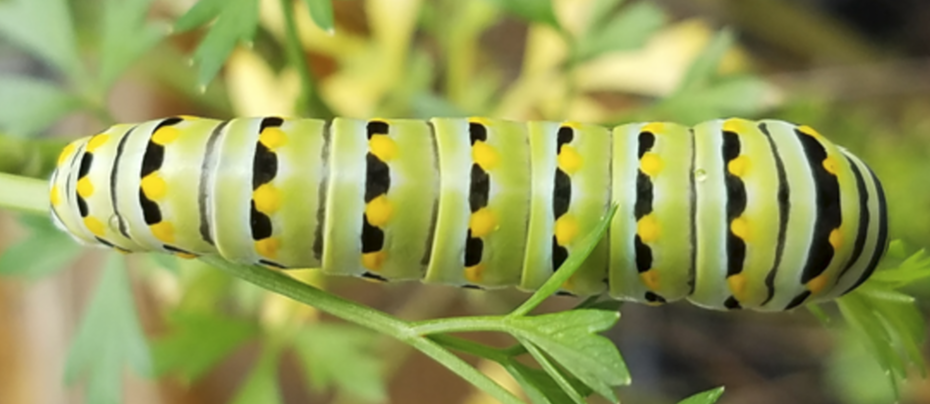
Do you see leaf damage? This is normal. Expect some leaf damage by caterpillars, leaf-cutter bees, and the like. This is a good sign. There is no need for insecticides. This is a significant mindset shift from traditional gardening. If you planted parsley, for example, you may see a large black swallowtail caterpillar on the plant.

This caterpillar of a black swallowtail butterfly, in a beautiful pattern of light green with rows of alternating yellow and black is feeding on parsley that has been set out for it in a convenient spot in a native plant bed. My personal herb garden is protected. I grow parsley from seeds and start enough to feed all who live in the habitat.

Whatever you do, keep enjoying your habitat. Butterflies alone bring joy.

💧 Maintain Water for Beneficial Insects

Heat increases water demand for all wildlife. You may already have a birdbath for birds, but now is the time to set out water for beneficial insects if you haven't already. They need a shallow dish with water, adding stones or sticks so insects can land safely. You can also set out a sponge dish.

Make sure the water remains available. Refresh it every few days. This also keeps mosquitos from using the water for breeding.

There is additional guidance in the Resources section.

🌸 Keep Blooms Continuous

Pollinator populations rely on a steady food supply. Observe when your garden has flower gaps. Make plans to fill these gaps with more native plants, shrubs, vines or trees. Also,

  • Deadhead appropriate plants to encourage repeat blooms. Check their needs for this if you're not sure. You will eventually leave seedheads for consumption by wildlife, but for now, keep the blooms coming.
  • Add a few quick-blooming or already-blooming native plants to fill gaps if possible.
  • You might want to start a chart showing what months you have blooms. Most gardeners start out well, but blooms start to fade by the fall. Plan to fill that gap.

🌱 Reduce Disturbance in Active Areas

Early summer is peak nesting and breeding season. Birds are feeding young and need foraging space. Native bees are nesting in your supplied housing, in stems or underground. Limit your time working in spaces that will disturb them.


Lady Bird Johnson Wildflower Center's Native Plant Database

Allows filtering for vines and shrubs for your area. You can also filter on amount of sunlight and other characteristics so that you can pinpoint the perfect plants.

National Wildlife Foundation Native Plant Finder

Find shrubs and vines in the Shrubs and Trees section. It’s takes an extra step to determine the growth habit (size and shape), but you get the benefit of seeing the number of how many species each plant supports.

Monarch Joint Venture — Structural habitat

This PDF from the Monarch Joint Venture discusses shrubs or fences as windbreaks, which create sheltered feeding and pupation areas for butterflies. It also has a Maintenance section that will help during your summer observation period.

Audubon Bird-Friendly Plants Guide – Pennsylvania (PDF)

Good example lists natives from short to tall, including vines, shrubs and small trees. In this way, it shows the different categories of vertical habitat building. You can think in these terms to plan your own vertical design to support hummingbirds, butterflies, and pollinators.

If You’re Thirsty, They’re Thirsty: Make a Simple Water Source to Support Pollinators

From the Xerces Society, describes how to meet the needs for various butterflies, native bees, and beneficial insects

Conserving Desert Pollinators and Water in Face of Climate Change

Tips specifically for those who maintain habitat gardens in dry areas,

Nesting Resources for Beneficial Insects

When you start observing your habitat, make sure your nesting areas and resources are being used. This guide from the Xerces Society shows what to look for.

5 Ways to Increase Nesting Habitat for Native Bees

If your habitat observation tells you that some improvements are needed, the Xerces Society provides these tips for supporting Native Bees.

Western Monarch Call to Action

This Western Monarch Call to Action, led by the Xerces Society for Invertebrate Conservation, aims to provide a set of rapid-response conservation actions that, if applied immediately, can help the western monarch population bounce back from its critically low overwintering size. You can help with some of these.

Western Monarchs Are in Trouble: This Is How You Can Help

In this guide, the Xerces Society offers simple steps that any individual can take to help support the western monarch population. This is intended as a companion document to the Western Monarch Call to Action, linked in the Related Resources list.


#HabitatGardening #BiodiversityGardening #Gardening #NativePlants #Nature #Environment #Conservation #Biodiversity #Invertebrates #Pollinators #BirdConservation #WildlifeWednesday

I’m Joe Wynne, a gardener since 1965 when I started as a helper for my grandmother. We maintained irises then and I still have those plants today. I’m a former Tennessee State Park Naturalist, who now focuses on making my garden a habitat for native plants and native bees, birds and butterflies. It’s working! I share what I learn.

Follow me on Mastodon. See articles from others in my magazine on Flipboard: Habitat Gardening

© Joe Wynne 2025-2026

This time: Plant your seedlings; Improve preparations for extreme climate conditions


Your seedlings are ready; the soil is prepared and now comes the rewarding part: planting. Whether you’ve grown native plants from seed, picked up healthy starts from a nursery, or are ready with direct-sow seeds, this is the big moment!

Take a moment to make sure you get everything right.

🌿 Consider spacing. Before you begin, take a little time to review the spacing guidance for each species you’re planting. Different natives have different preferences for spacing. Following those recommendations will give your plants the best chance to establish quickly and reduce problems later.

If you're planting multiple species in the same bed, and they all have different spacing requirements, it can get a bit complicated. I have a small metal tape measure that I have used for these situations. The good news is that you really just have to do this once per bed. You are planting perennials after all.

🌻 Follow your garden design for placement.  Ideally, you’ve already roughed out a basic design while planning your plant purchases (previously covered here). That doesn’t mean every plant has to go in an exact spot, but having a general layout makes planting days smoother. Just like traditional gardening, native plant gardens can be formal, informal, or somewhere in between.

Set out your seedlings, starts, and seeds so that you can assess where each will go. Some seeds that you started before planting season may not have germinated. (It happens!) Check to see how this effects where you place what items.

I live in Suburbia, so I have this length of space on the far side of the driveway that is perfect for a mini-prairie design. It also holds any extra plants or seeds I end up not finding a place for.

🌱 Consider the seeds. Don't forget your direct-sow seeds! They may have been forgotten in all the effort to grow seedlings in the off-season. For designed beds, leave a space for seeds where their height will fit. Again, follow directions for spacing and consider nearby plants.

🚿 Follow traditional gardening best practices in early days. Once planted, keep the soil consistently moist for the first few weeks. That steady moisture helps young roots expand into the surrounding soil and settle in. This is no different than traditional gardening.

There are many more tips in the Resources section below.

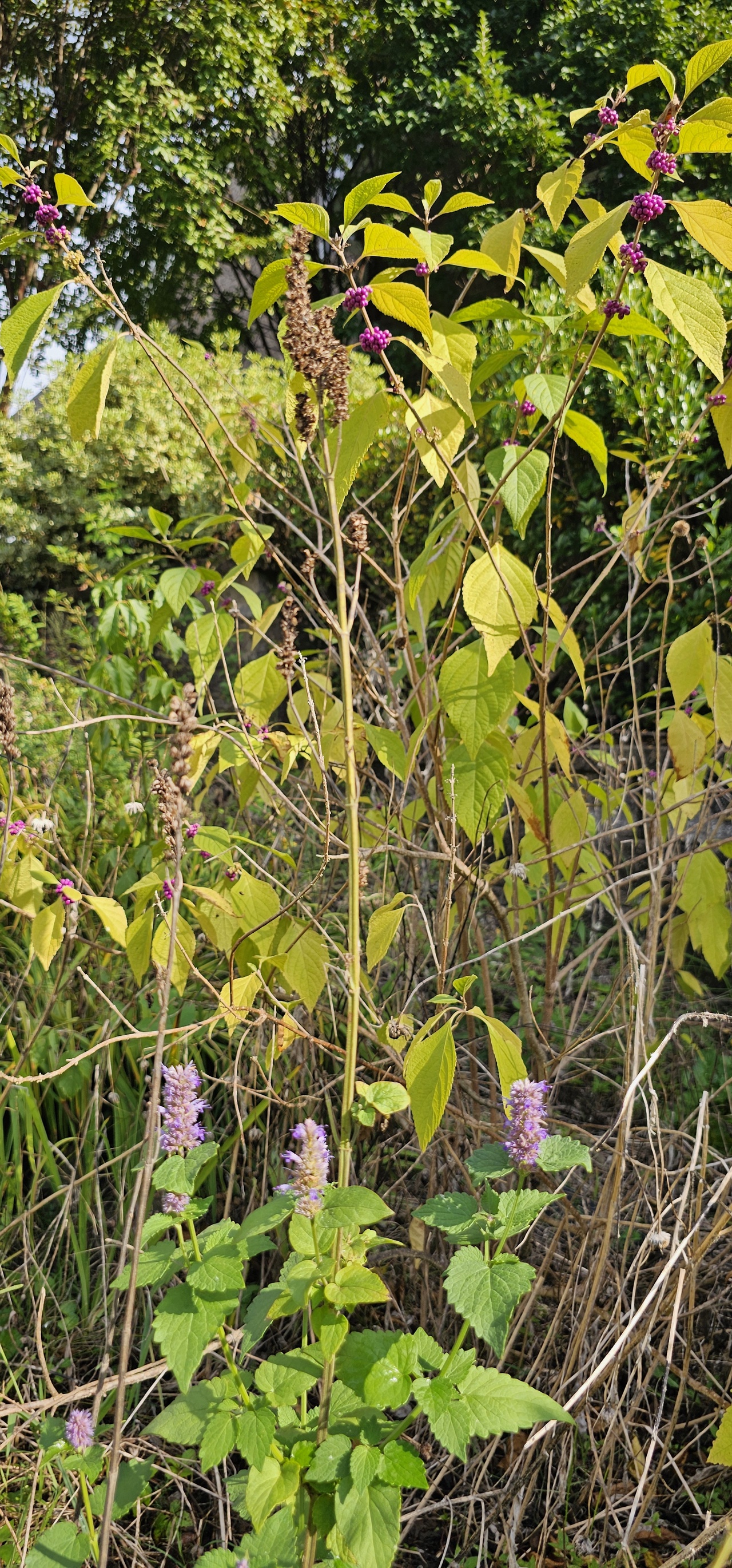
Here is a portion of my yellow/purple native plant bed, showing a shrub in the background, American Beautyberry, which has bright purple berries along its branches. In the foreground, Anise Hyssop, coordinates with purple spikes of flowers. Both of these had survived two periods of four weeks in summer heat with no rain. This is becoming more common here. The shrub suffered – you can see leaves are sparse – but survive it did. I did not water so that I could see how resilient these native plants can be. (That’s why I’m not embarrassed to show this pic.) The non-natives in my garden needed water constantly.


Seasonal Continuous Improvement: Late Spring / Early Summer

Think about last year. How did your native plants garden handle dry spells? Or extreme heat? Or higher than expected rainfall? Or whatever significant problems you experience in your area at some point in the growing season? Think about improvements that will help your plants thrive. Some examples:

  • Improve physical water retention methods. I started shaping certain beds in curves to hold water from hard rains where too much would run off.
  • Extend garden beds away from growing shrubs and trees. It’s very common to place plants too close to shrubs. After a couple of years, everyone is fighting over space, water, and nutrients.
  • Too much water always collecting in an area, drowning your natives? Change out plants to favor those that like it wet and make a rain garden!
  • Manage mini-prairie flowers seeding into your adjacent lawn by expanding the bed! The lawn is less important! Of course, if this is going to get you in trouble with neighbors or the HOA, be careful.

Start planning in early summer to complete urgent improvements. This gives you time to perfect designs, gather materials, and be ready for the best time to complete them.

Here are a couple of tips that are generally useful.

Compost builds the soil into root-thriving paradise. Habitat gardening, where you leave the soil layers intact, benefits from the use of compost even more than traditional gardening. A layer of compost ensures the soil is alive with beneficial insects, bacteria, and fungi, all working together to provide your native plant roots with what they need.

Some native plants that you grow may prefer soil that is found normally in your area and not the deeply “fluffy” soil that is often the goal of traditional gardening. You don’t need a large layer of compost for these plants, just enough to simulate organic matter that naturally accumulates on the soil surface.

Becoming a native plant gardener lets you see the importance of starting your own compost operation. You can check the many resources for composting if you are new to it. I have a simple small bucket collector in my kitchen and a simple cube bin in my back yard that produces the vast majority of what I need all year. I have added some links to get you started below in the Resources section.

Mulching for natives is not the same as traditional gardening. A good layer of mulch helps retain precious soil moisture, suppresses weeds that compete for nutrients, and moderates soil temperatures as days grow hotter. This is all good.

But in native gardens, we need to think about ground-dwelling bees who cannot reach the soil under traditional mulch. We need to think about how modern mulches with long-lasting color have dyes that cause the mulch to form a dense, hard layer that beneficial insects cannot penetrate.

Instead, create your own mulch from leaves, even small natural debris available locally. You can even include the compost you are making.

More about composting in the Resources section below.


Resources

How Far Apart Should I Plant Native Plants?

An excellent spacing reference for beginners. It walks through how mature plant size, growth habit, and planting density influence plant health, weed pressure, and long‑term maintenance, helping gardeners avoid overcrowding or overly sparse beds.

Guide for Beginning Native Plant Gardeners

A thorough introduction to native gardening fundamentals from Grow Native!. This guide explains how native plants grow and spread over time, why proper spacing matters, and how different design styles – from formal borders to naturalistic plantings – affect layout decisions.

Caring for Your Native Seedlings

From the Wild Seed Project, a practical, easy‑to‑read guide covering the critical early stages of seedling care. Topics include watering, crowding, repotting, and understanding the slower first‑year growth common to many native perennials.

Compost and the Native Plant Garden

This guide from The Wild Ones explores how compost fits into native plant gardening, including when it helps and when nature does the work on its own.

The Beginner’s Guide to Composting

A simple, no‑jargon overview that emphasizes composting as a natural, low‑stress process from Compost Magazine.

Compost 101: How to Start Composting for Beginners

From Epic Gardening,_ a clear, science‑based introduction that explains what compost is, why piles fail, and how compost improves garden soil.


#HabitatGardening #BiodiversityGardening #Gardening #NativePlants #Nature #Environment #Conservation #Biodiversity #Invertebrates #SolarPunk #WildflowerWednesday

I’m Joe Wynne, a gardener since 1965 when I started as a helper for my grandmother. We maintained irises then and I still have those plants today. I’m a former Tennessee State Park Naturalist, who now focuses on making my garden a habitat for native plants and native bees, birds and butterflies. It’s working! I share what I learn.

Follow me on Mastodon. See articles from others in my magazine on Flipboard: Habitat Gardening

© Joe Wynne 2025-2026

This Time: Prepare soil for native plants; Protect wildflowers that bloom early


How about some good gardening news? How about guidance that tells you to do a lot less than you expect to do? Well, I have some, but it's going to force you to break with some traditional gardening techniques, so you may feel a little uncomfortable at first.

If you've followed the process to this point you have purchased seeds or live plants and started the germinating and growing process in small pots or trays. Now, you're ready to get out there and prepare the soil for planting! For traditional gardening, that means cutting into the garden bed soil to loosen it, adding special amendments, and smoothing out the surface.

But I have good news for you: You don't have to do that for native plants! And if you do, you might be making the situation worse.

Let Go of Traditional Gardening Habits, Embrace Soil Communities

Native plants evolved to live in conjunction with certain neighbors. The plants, fungi, bacteria, insects, earthworms and more all existed in an interdependent community. The community was sustainable, resilient.

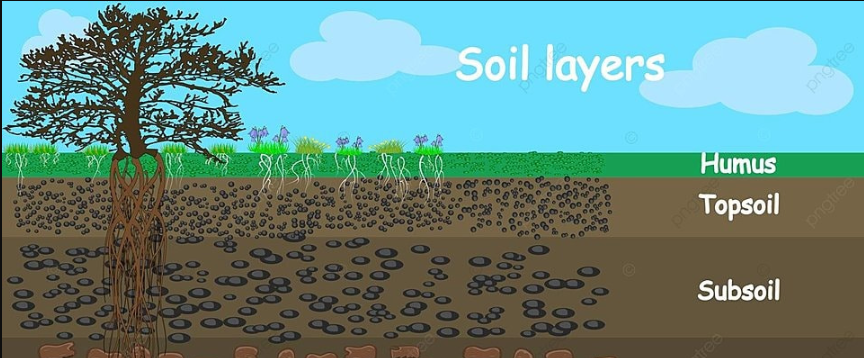
What’s more, soil has layers where different organisms live out their lives.  Soil organisms take natural materials such as dried leaves and minerals and recycle them into nutrients used by the plants.

When you disrupt these communities, by digging through them or dousing them with pesticides, you interfere with processes that support thriving native plants and that could make your life easier.

Alt text:  Section of typical soil layers near the surface, humus at the top, with topsoil underneath, and subsoil below that. Native plant roots are adapted to grow in natural layers in soil. Mimicking nature provides them with better moisture and nutrition. Prairie-type garden soils are different from woodland-type garden soils, but they both have layers that should be preserved. Source: Humus Definition Social Studies at John Macdonald blog.

When your Habitat Garden supports soil communities, the soil communities take care of your native plants. Less digging means less fertilizing and less watering. How does that sound?

So, there are a few specific things you don’t need to do anymore to prepare soil for native plants:

  • Don't “fix” your soil with amendments before planting.
  • Don't use herbicides, fungicides, or pesticides.
  • Don’t seal soil under layers of fabric and mulch.

Here's how you do prepare soil for native plants.

Clear Gently, Not Chemically

If weeds have overgrown the area set aside for your native plants, use physical methods like hand‑pulling, cutting plants at the base, or smothering areas with cardboard. This approach preserves soil life and lets healthy communities develop and mature.

Apply Organic Matter on Top

Compost and natural local plant debris are still useful! Sprinkle them on the surface to simulate the natural process of dead and decaying matter falling onto the soil. The soil community will take it from there. Native plants are adapted to soils that are leaner than traditional amendment-rich garden beds.

Leave Organic Cover—But Not Everywhere

Leaf litter, fallen stems, and plant debris provide shelter for overwintering insects and help protect soil structure. But don't forget the ground‑nesting bees. They need access to bare earth. Leave cover in place but avoid blanketing entire beds. Mulch lightly around new plants and let some topsoil stay open.

That's not too much, is it? You'll have more time to focus on the bird calls and butterfly swoops.


Seasonal Continuous Improvement: Early Spring

Protect early bloomers!

Early spring flowers – both planted and naturally occurring – are a lifeline. Native bees often emerge before most garden plants bloom, and these first flowers can mean the difference between surviving and struggling.

What to do (and not do)

  • Let early wildflowers bloom undisturbed. Resist the urge to pull all “weeds”.
  • Leave as many as possible to provide nectar, but not to annoy neighbors. If an area is visible to neighbors who may consider it unsightly, consider maintaining that area per traditional expectations while leaving a “hidden” area undisturbed for pollinators.
  • Skip garden “tidying” that removes flowers before pollinators arrive.

While you are out enjoying Nature, pay attention to which plants attract the very first bees and insects. Plan to protect these early bloomers that play an important role in your Habitat Garden.

In spring, timing matters. What blooms first is often critical to the success of beneficial insects before the majority of other native plants start to bloom. Let them do their job.

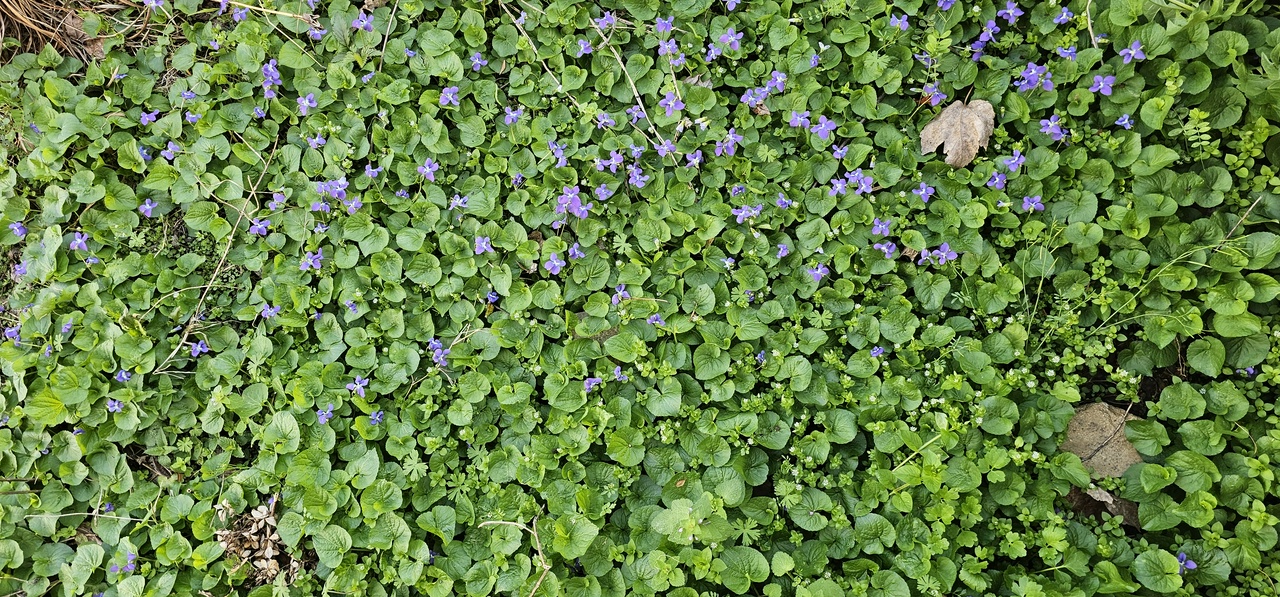
In my garden, this area of wild violets has created a thick carpet of green leaves. It did not take long for a couple of plants to spread. Not only is this native wildflower food for early pollinators, it also creates a groundcover that is hard for weeds to penetrate. I do not disturb the soil as much, leaving the soil community can thrive. It’s cool under the leaves. I often find frogs hiding out there in the hot afternoons.


Resources

🪲 Soil Life

This guide from the Xerces Society builds your knowledge about soil invertebrates. You can actually see soil invertebrates, unlike bacteria, so they can help you gauge the health of your habitat soil communities.

🪱 Soil Health

This guide from the USDA's Natural Resource Conservation Service has even more tips to create healthier soil.

🐦 For a Wildlife-Friendly Garden, Test Soil First

If you are starting your habitat garden from scratch, you have an opportunity to get information about your soil that will simplify your planning and reduce future problems.

🦋 For Pollinators' Sakes, Don’t Spring into Garden Cleanup Too Soon!

More detail on do's and don'ts for spring garden activities in a habitat garden. It’s especially good with helping you determine when it’s OK to

🐛 Habitat Planning for Beneficial Insects

Download this PDF for a more comprehensive guide to developing a better habitat.


#HabitatGardening #BiodiversityGardening #Gardening #NativePlants #Nature #Environment #Conservation #Biodiversity #Invertebrates #SolarPunk #SolarPunkSunday #Thrutopia

I’m Joe Wynne, a gardener since 1965 when I started as a helper for my grandmother. We maintained irises then and I still have those plants today. I’m a former Tennessee State Park Naturalist, who now focuses on making my garden a habitat for native plants and native bees, birds and butterflies. It’s working! I share what I learn.

Follow me on Mastodon. See articles from others in my magazine on Flipboard: Habitat Gardening

© Joe Wynne 2025-2026

This time: Make nesting easier for your birds; Improve your home habitat for birds.


If you are a garden hero, creating habitat to support populations of native birds, you not only get to enjoy the good feeling that comes from supporting nature, but you get to enjoy more bird song in spring.

Remember that many people and businesses clear out leaves and debris in the fall. This robs birds of nesting material! You can help fill the gap by making available prime resources and even help birds with nests away from your location. More nests mean more chicks.

To fill the gap, put out a variety of materials that most birds can use to build nests.

Break up twigs. Bird populations will need plenty of small twigs to make their nests. Make them available! Break up longer twigs until they are shorter than about 6 inches/15 cm. Create two or three small piles in different locations convenient to birds.

Set out long slender plant leaves. Some birds use old leaves for nests, especially if they are the slender kind. I have long leaves of irises and daylilies that I keep over the winter and then cut into smaller sections. I’ve seen these in nests in trees in my yard.

Make short strands of string and yarn available. While you're at it, cut sections of natural fibers to less than 6 inches for additional building materials. If you have fabric laying around, that can be cut into small pieces and be useful as well.

Leave moss where it grows. Some birds use moss to fashion their nests.

Leave spider webs alone. Your first reaction might be to knock down any spider web you see. Especially during the nest-building season, leave as many spider webs up as you can. Hummingbirds can use spider webs to pad their nests.

Make mud available. There are birds that use mud to add strength to their nests. If you don't know of a source of mud nearby, clear off an appropriate spot if you have one.

Don’t delay too long. When birds are ready to nest, they need the materials right then. I once left my garage door open most of the day in the spring while I was gardening. By the time I returned, a couple of Carolina Wrens had a nest 2/3 complete in the garage using a pile of twigs I had placed nearby.

Find more ideas in the Resources section below.

By the way, keep helping birds thrive through late winter. It is important to maintain their food. Birds need extra energy to survive the last of cold weather and the new activity of building nests. If feeding stops, they might find it difficult to survive.

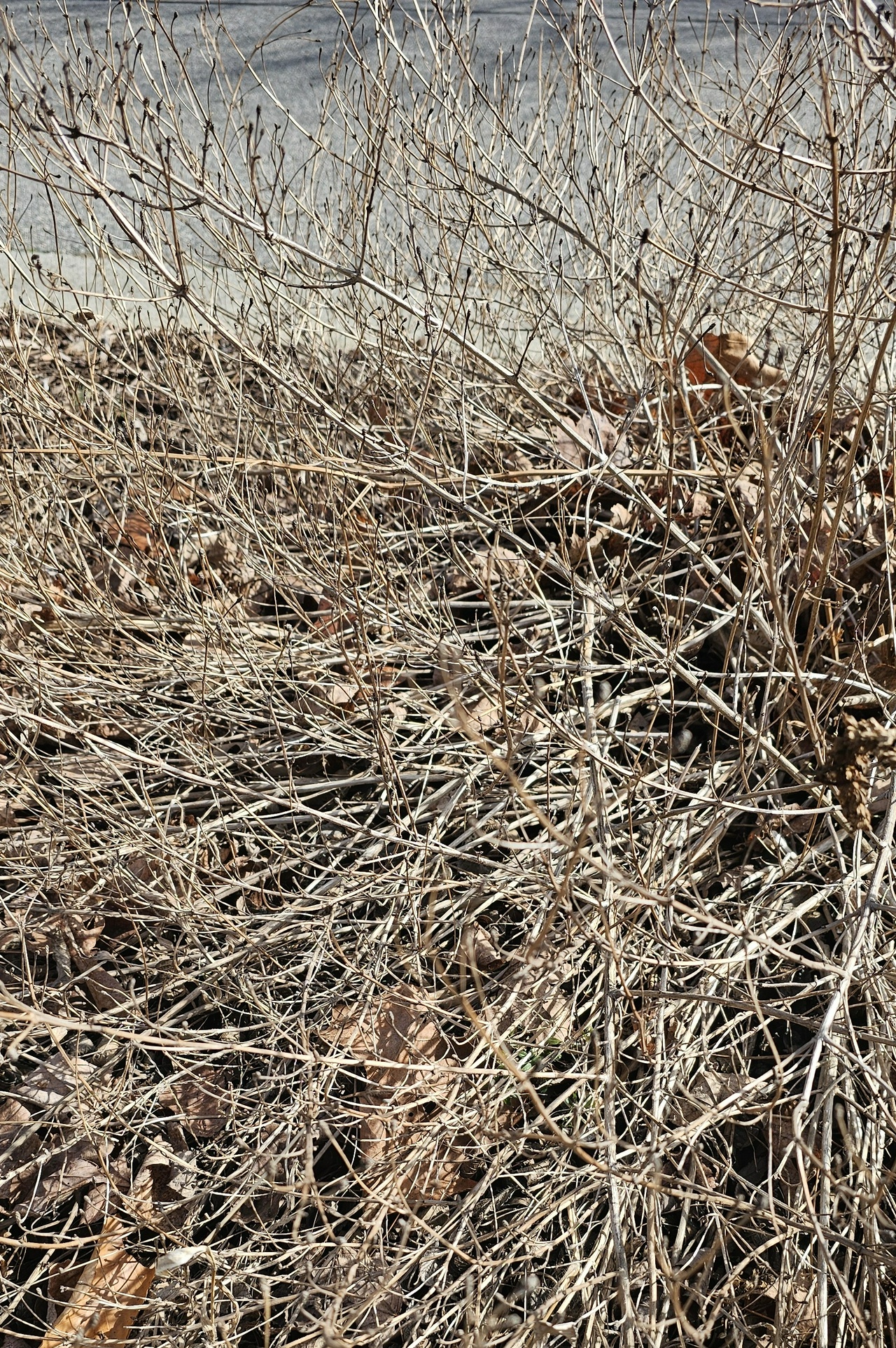
The lantana here has died back for the winter with only its slender branches remaining. My neighbors would typically cut back something like this and clear all the debris away. I cut all the twigs and broke them up into smaller nest-building size sections. It only took a few minutes. Notice that I left the leaves on the ground to house bugs for the birds to eat.

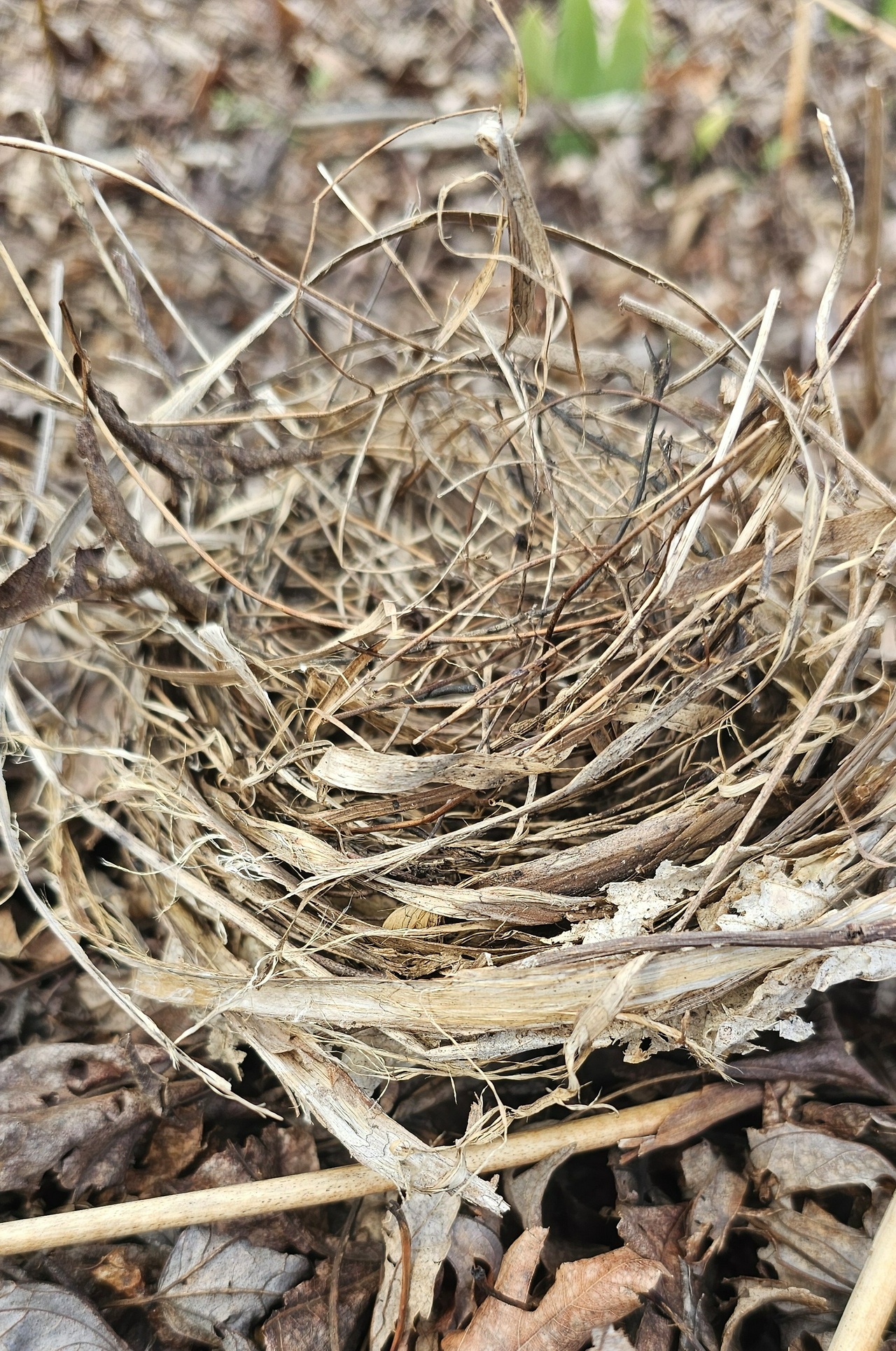
This top part of a nest that fell to the ground in my yard shows the variety of types of materials used. Visible are twigs, pine needles, dead slender leaves (daylilies from my yard), small tree leaves. These are exactly the kinds of debris people remove for the sake of “fall clean up” or “garden tidying”. What’s a bird to do without your help?


Seasonal Continuous Improvement: Winter/Offseason

As you continue designing your habitat garden, consider ways you can make additional improvements for birds.

What do your local birds use to build nests? During the winter, you can examine last year's nests to see what your local birds prefer for nesting materials.

Are you using pesticides where birds feed? Most birds feed primarily on bugs. If you kill bugs, then the birds don't have enough food. When birds spend a summer eating bugs with poisons in their bodies, it sickens or kills them. If possible, plan to dispose of these chemicals and replace them with more sustainable practices.

Do you have good location for a brush pile? Put larger branches on bottom and smaller at the top. Birds will feed and nest here.

Find more ideas in the Resources section below.


Resources

🐦 Create a Bird-Friendly Habitat

  • This guide includes eleven ways to create a bird habitat.

🐦 How to Provide Nesting Materials for Birds

  • Tips include good ways to contain materials, like yarn and string.

🐦 16 Ways to Help Birds Survive Harsh Winters

  • More information on the types of food that is most helpful in keeping birds alive, including the importance of suet and making “the bluebird banquet”.

[18 Feb 2026]


#HabitatGardening #BiodiversityGardening #Gardening #NativePlants #Nature #Environment #Conservation #Biodiversity #Invertebrates #SolarPunk #SolarPunkSunday #Thrutopia

I’m Joe Wynne, a gardener since 1965 when I started as a helper for my grandmother. We maintained irises then and I still have those plants today. I’m a former Tennessee State Park Naturalist, who now focuses on making my garden a habitat for native plants and native bees, birds and butterflies. I share what I learn.

Follow me on Mastodon. See articles from others in my magazine on Flipboard: Habitat Gardening

© Joe Wynne 2025-2026